In the world of modern fisheries, the Optimar Rae emerges as a symbol of innovation and efficiency, reshaping the landscape of seafood harvesting with its cutting-edge design and technology. Originating from Norway, Optimar has been at the forefront of technological advancements in the fishing industry, providing sustainable and efficient solutions that cater to the evolving needs of global seafood markets.
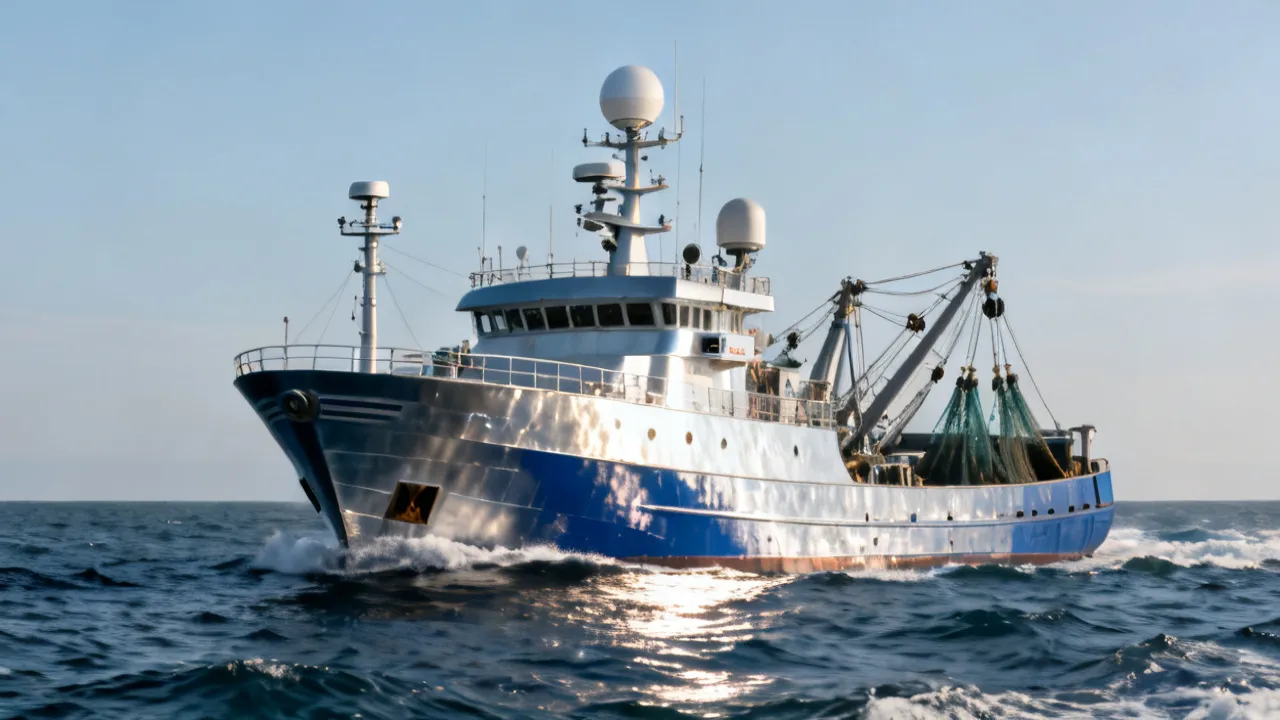
The Optimar Rae is a prominent name in the progressive world of seafood harvesting, recognized for its state-of-the-art solutions that bolster efficiency and sustainability in the fishing industry. With its roots deeply embedded in Norway, a country known for its rich fishing heritage and innovative marine technology, Optimar Rae reflects a perfect amalgamation of tradition and modernity. As a milestone in marine engineering, the vessel signifies the shift towards smarter, more responsible harvesting methods that are necessary for the future of our oceans.
Optimar Rae stands out as a pivotal player in today's competitive seafood market. It combines groundbreaking design with superior functionality to enhance the processing and production rate significantly. Its integration of advanced machinery not only maximizes yield but also ensures the quality and freshness of the catch are meticulously preserved from sea to sale. The importance of these attributes cannot be overstated, as the global demand for seafood continues to rise, putting unprecedented pressure on our marine resources and necessitating innovative solutions to maintain a balance between supply and sustainability.
At the core of Optimar Rae's functionality is its use of sophisticated technology, which revolutionizes the way seafood is harvested and processed. This technology enables efficient onboard handling, sorting, and packaging, significantly reducing spoilage and wastage. The onboard systems are designed to maintain optimal temperature and environmental conditions, ensuring the seafood retains its quality until it reaches the market. Each component of the Optimar Rae is engineered to employ cutting-edge innovations, such as automated sorting systems and temperature-controlled storage, which not only improve efficiency but also enhance the freshness of the product offered to consumers. Emphasizing real-time data analytics in monitoring systems allows for immediate adjustments and optimizations based on varying conditions, showcasing how technology can directly improve operational effectiveness.
Fisheries opting for Optimar Rae benefit from a comprehensive solution that enhances both productivity and sustainability. The vessel’s advanced features help reduce environmental footprints by optimizing fuel consumption and minimizing bycatch. As sustainability becomes an integral part of this sector, adopting such innovations can be crucial for meeting regulatory demands and fulfilling consumer expectations for sustainable seafood. Additionally, the enhanced efficiency correlates with higher profitability. This is achieved through lower operational costs and improved product quality, allowing fisheries to meet the rising standards expected by consumers today who are increasingly conscious of the origins and impact of their food choices.
| Feature | Optimar Rae | Traditional Vessel |
|---|---|---|
| Technology Integration | Highly advanced, automated systems | Basic mechanization |
| Environmental Impact | Low, with eco-friendly features | Higher, due to conventional fuel usage |
| Processing Efficiency | High, with minimal wastage | Moderate, higher wastage rates |
| Cost-Effectiveness | Good savings through efficiency | Higher operational costs |
What makes Optimar Rae unique in the fishing industry?
Optimar Rae distinguishes itself with its leading-edge technology and design that maximize both efficiency and sustainability, setting a new industry standard. The vessel acts as a prototype for future modeling of fishing vessels, demonstrating how traditional practices can evolve by embracing modern engineering concepts.
How does Optimar Rae contribute to sustainable fishing practices?
The vessel incorporates eco-friendly technologies, reducing energy consumption and bycatch, which supports sustainable practices and compliance with environmental regulations. These features ensure that fishing operations are aligned with global efforts to sustain fish populations and maintain biodiversity in oceanic environments.
Is the Optimar Rae suitable for all types of seafood?
Yes, its versatile design and technology cater to a wide range of seafood harvesting needs, from pelagic fish to crustaceans, ensuring optimal processing regardless of species. This flexibility positions the Optimar Rae favorably in various markets, allowing it to cater to the unique demands of different fisheries globally.
What is the return on investment for an Optimar Rae?
Although the initial investment may be higher compared to traditional fishing vessels, the good savings in operational costs and higher yields make it a worthwhile investment. The long-term benefits of reduced spoilage and waste further contribute to this investment's viability, making it an attractive option for fisheries looking to modernize their fleet.
Where can Optimar Rae vessels be deployed?
Optimar Rae vessels are highly adaptable and can be utilized in various fishing zones worldwide, provided they adhere to local maritime regulations. This adaptability not only increases the operational range of the vessel but also extends its utility across different fisheries and geographic locations.
As the fishing industry faces increasing challenges from overfishing, climate change, and technological advancements, the future of seafood harvesting is poised to evolve dramatically. Innovations like the Optimar Rae will likely lead the charge toward more sustainable solutions that integrate advanced technology with real-world challenges in marine environments. Emerging trends include the use of artificial intelligence for predictive analytics in fish migration patterns, automation in processing, and machine learning algorithms that optimize fishing routes for efficiency and sustainability.
The trend towards digitalization will see more vessels employing IoT (Internet of Things) capabilities, enhancing connectivity and data gathering throughout the supply chain. This integration allows stakeholders to monitor their catches in real-time and make data-informed decisions swiftly. Furthermore, blockchain technology can offer increased transparency in seafood sourcing, enabling consumers to trace their seafood back to its source, thereby enhancing trust and supporting sustainable practices.
Several fisheries across Norway and beyond have successfully integrated Optimar Rae vessels into their operations, each demonstrating the positive impact of the technology on productivity and sustainability.
A cod fishery operating in the North Sea witnessed a significant transformation after adopting the Optimar Rae technology. Prior to this modernization, the fishery faced issues with spoilage and ineffective sorting processes, leading to inconsistent product quality. However, after transitioning to the Optimar Rae, they implemented its automated sorting systems and temperature-controlled processing capabilities.
As a result, spoilage was reduced by an impressive 30%, while the processing speed increased by 50%. The fishery was able to provide fresher products to the market, resulting in higher prices and increased consumer satisfaction. This transformation illustrates the potential for technological advancements to yield tangible benefits for traditional fishing communities.
In another instance, a sustainable fish farming operation in Norway adopted the Optimar Rae to modernize their harvesting techniques. The facility specializes in farmed salmon, which requires precise handling to maintain quality and reduce mortality rates. By utilizing the vessel’s onboard systems, they improved their handling protocols significantly.
The implementation of the Optimar Rae reduced their operational costs by 20% due to lower energy usage and enhanced efficiency in harvest times. Additionally, the reduction in bycatch meant they could better align their operations with sustainability goals, ultimately appealing to an increasingly eco-conscious consumer base.
As technology within the fishing industry continues to advance, so too does the framework of policies and regulations governing its use. Environmental policies are becoming increasingly stringent, focusing on protecting marine biodiversity and enforcing sustainable harvesting practices. The adoption of vessels like the Optimar Rae aligns well with these regulatory environments, making it easier for fisheries to comply with updated standards.
Government bodies and international organizations are encouraging the fishing industry to adopt more sustainable practices, often providing incentives and funding for those willing to invest in modern technology. For fisheries, this means that investing in advanced vessels not only makes financial sense but can also grant them access to more markets and preferential treatment when competing for resources.
Furthermore, these regulations often drive innovation, as companies in the seafood harvesting sector seek to exceed compliance thresholds to gain a competitive edge. Environmental performance can serve as a differentiator in the marketplace, and companies that integrate sustainable practices often experience enhanced reputations with consumers who prioritize social responsibility.
The economic benefits brought by advancements like those from Optimar Rae extend beyond individual fisheries. By boosting harvest efficiency, reducing waste, and improving product quality, the entire seafood supply chain can experience positive economic impacts. Increased efficiency can lead to lower retail prices, which makes seafood more accessible to consumers while ensuring that fishers receive better compensation for their catch.
Moreover, the ripple effects of investing in sustainable harvesting technologies can positively impact local economies reliant on fishing. Job creation in high-tech sectors within maritime communities can accompany the transition to more sustainable practices. The optimization of logistics and supply chains can further decrease operational costs, allowing productivity to flourish while still aligning with environmental stewardship.
As the industry progresses towards high-tech solutions, it becomes crucial to provide education and training for current and future fishermen and technicians. The embrace of innovative vessels like the Optimar Rae demands a workforce that is well-versed in utilizing advanced technologies.
Initiatives aimed at integrating this technology into training programs can help bridge the knowledge gap. Many educational institutions are beginning to incorporate modules on marine technology, sustainability methods, and modern operational strategies into their curricula. By doing so, they prepare a workforce that is adaptive and skilled, ensuring the fishing industry can thrive in an ever-evolving landscape.
Additionally, partnerships between educational institutions and fisheries can facilitate real-world training opportunities, allowing emerging professionals to gain hands-on experience with technologies like those found in the Optimar Rae. Employing this approach not only nurtures talent but also promotes a culture of continuous improvement within the industry.
As the global seafood industry continues to evolve, the importance of innovative solutions like the Optimar Rae cannot be understated. This vessel represents a step forward in efficient and sustainable seafood harvesting, providing a model for future innovations in the industry. Its integration into fisheries worldwide could well herald a new era where technology and sustainability go hand in hand, paving the way for a healthier ocean ecosystem and thriving seafood markets. The rise of these advancements not only contributes to preserving marine life but also shapes a future where culinary excellence is balanced with ecological responsibility, setting the stage for enduring seafood traditions for generations to come.